

Sanitary Sewer Services
Over 35 Years of serving the Maritimes
Sanitary Sewer Line Services
Sanitary Sewer Cleaning and Storm Drain Cleaning are not the same.
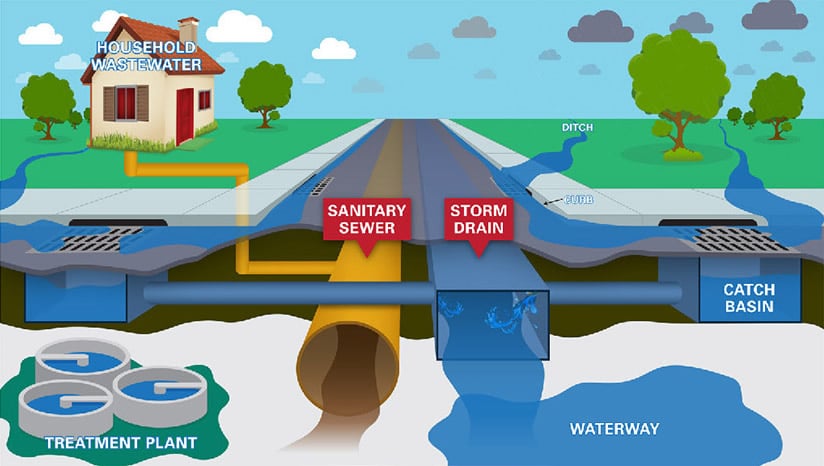
Sanitary Sewer Lines carry untreated wastewater (from toilets, sinks) to treatment plants
while
Storm drains collect rainwater and runoff from streets and roofs, carrying it untreated to local waterways.
They handle different types of water (sanitary wastewater vs. rainwater) and have different destinations (treatment plants vs. natural waterways), requiring distinct maintenance approaches for separate systems.
However, some older areas have combined systems.
Sanitary Sewer Lines: Designed to transport wastewater, these systems carry waste from homes and businesses to a treatment facility where pollutants are removed before the water is returned to the environment.
Industrial sanitary sewer lines are cleaned using high-pressure hydro-jetting, mechanical rodding/snaking, and chemical treatments to remove grease, sludge, and debris. The most effective method for heavy-duty, large-diameter industrial systems is high-velocity water jetting (often via combination trucks), which cleans pipe walls and flushes debris. Specialized, oscillating nozzles (like Warthog) can break through thick sludge, restoring full flow capacity.
Sanitary sewer cleaning involves removing debris, grease, and tree roots from underground pipes using high-pressure mechanical Jet rodding or root cutters to prevent backups.
Regular maintenance is crucial for both to ensure proper function and prevent environmental contamination or property damage.
Call now for a Free Consultation: 902 765 2774
Main Factors Leading to Sanitair Sewer Backups and Clogging:
Municipal Sewer System Overload
Sanitary sewer backups and clogging are primarily caused by tree root intrusion, accumulation of fats/oils/grease (FOG), flushing non-degradable items (wipes, hygiene products), aging/collapsed pipes, and severe weather overloading municipal systems. These issues, often triggered by debris buildup or infrastructure failure, lead to slow drains, sewage odours
Sanitary Sewer Cleaning
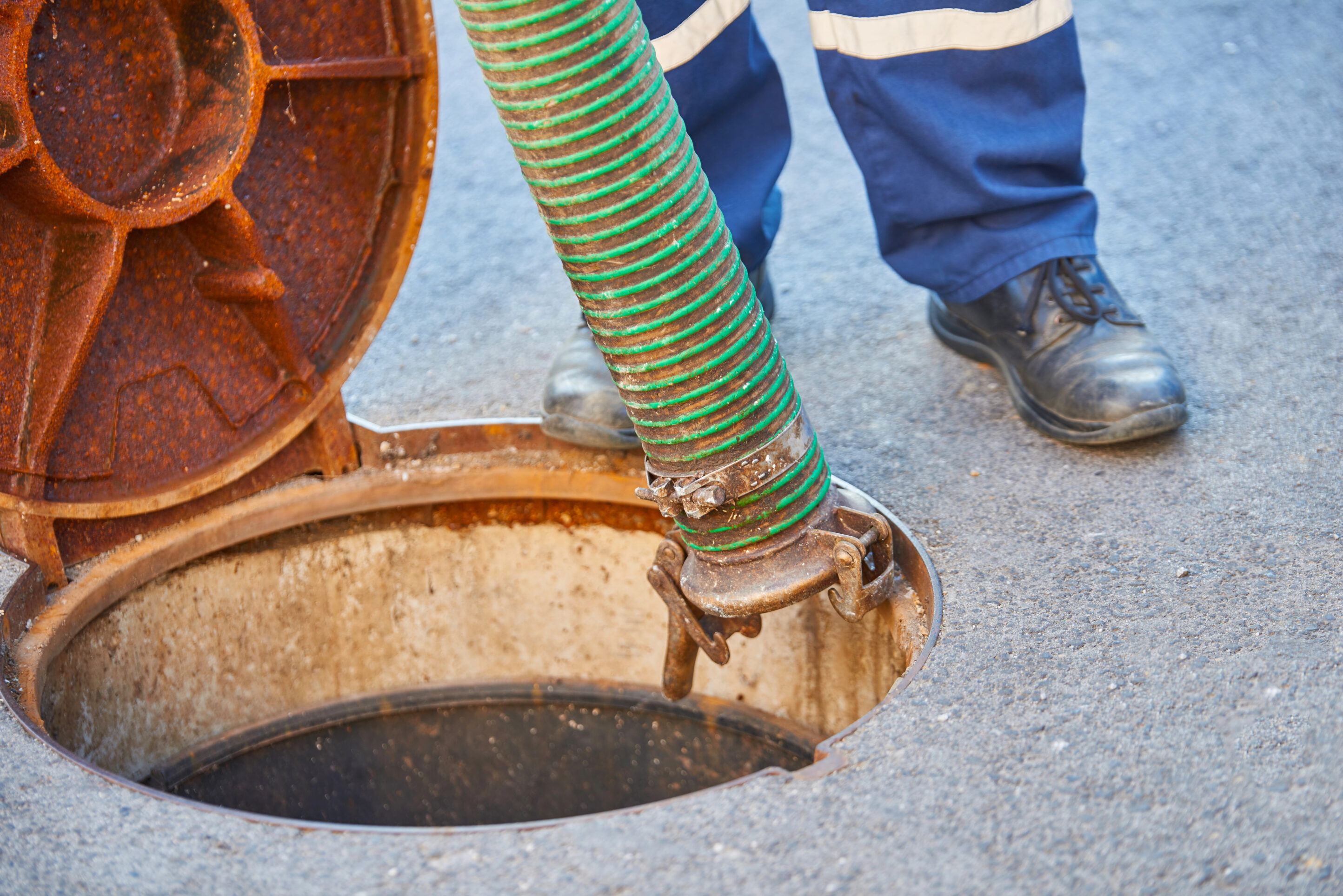
Professional cleaning of Municipal and Commercial sanitary sewer lines to prevent backups and maintain proper flow.
-
Municipal and Commercial service
- Up to 2500 PSI water pressure
-
Preventive maintenance programs
-
Emergency backup response
- Root cutting and removal
- Grease and scale elimination
-
Complete line inspection
- Preventive maintenance programs
Preventative Maintenance Best Practices
Municipalities can prevent blockages by:
- Avoiding improper disposal: Only flush human waste and toilet paper down sanitary drains. Keep fats, oils, and grease (FOG), coffee grounds, and fibrous foods out of kitchen drains.
- Installing drain screens: Use screens to catch hair and food particles.
- Managing landscaping: Trim trees and large plants near sewer lines to prevent root intrusion.
- Regular minor maintenance: Use hot water or a baking soda and vinegar mixture monthly to break down minor buildup.
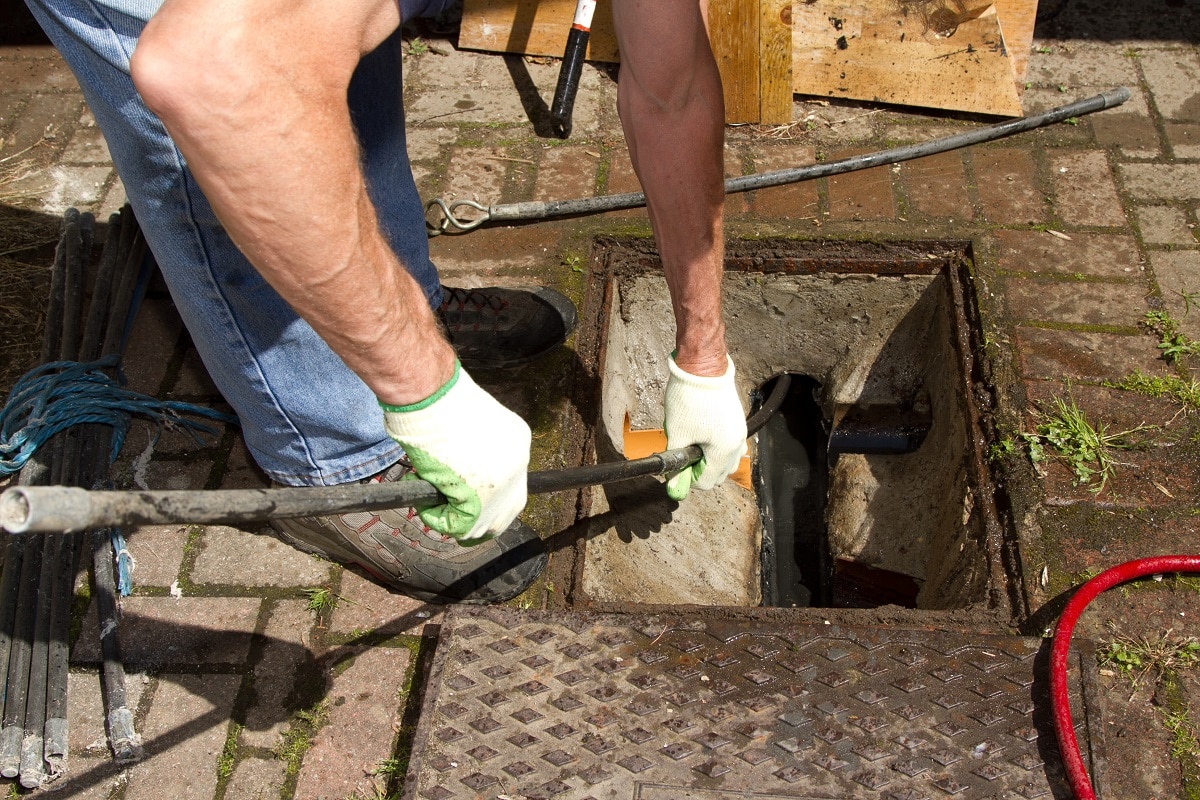
- Scheduling professional inspections: Use CCTV camera inspections to detect potential issues like damage or early root intrusion before they become major problems.
Jet Rodding
Professionals primarily use two highly effective techniques for both types of sewer lines:
Jet Rodding: This is the most common and effective method, using high-pressure water (often from a jetter/vacuum truck) to blast through debris, grease, scale, and tree roots. The powerful water stream not only breaks up clogs but also cleans the pipe walls thoroughly. For most applications, a combination unit vacuums up the loosened debris simultaneously, allowing for proper disposal.
Mechanical Augering (Snaking): A motorized auger, or "snake," uses a flexible cable with a rotating blade or cutter head to physically cut and break up blockages like hardened grease or tree roots. This method is effective for smaller-diameter pipes (typically 12 inches or less) and can navigate turns well, but it may not clean the pipe walls as thoroughly as hydro jetting