


Our Residential Septic Pumping Services
Over 35 Years of serving the Maritimes
Septic Tank Pumping
Loomer’s Pumping Service has qualified technicians certified by Waste Water Nova Scotia and the Department of the Environment.
Disposal Field
Having your septic tank pumped out regularly helps keep your septic system working properly and reduces the possibility of expensive repairs.
Rural Nova Scotia
Septic systems serve as wastewater treatment systems for rural homes in Nova Scotia that are not connected to municipal systems.
why regular septic tank maintenance is crucial for home safety and efficiency.
- Pump the tank every 3-5 years
- Avoid flushing non-biodegradable items
- Conserve water to reduce tank strain
- Address issues promptly to prevent costly repairs
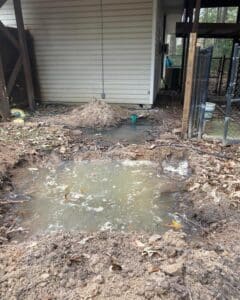
Routine maintenance also reduces odours and prevents toxic contamination of your property and home, so you don’t have to worry about hazardous conditions or expensive cleanups.
A septic system that’s well maintained, including periodic inspections, minimizes the risk of overflow, ground contamination, and system backup or failure.
A system that’s working well is an additional property feature which buyers will take into consideration when making an offer. If your system has been properly maintained and is in great working condition, it will add to your property value. Conversely, a system that’s in poor condition or in need of repairs will lower the value of your property.
Loomers Pumping can help you by setting up a maintenance schedule to keep your system running efficiently for years to come.
Call today to schedule an appointment.
902 765 2274
Some Do’s & Don’ts to Keep in Mind
The Do's
- Have your septic tank pumped out regularly!
- Do keep records of pump outs and maintenance.
- Spread the use of the automatic washer over the week rather than doing many loads on one day.
- Do make a permanent record of where the key parts of your system are located for future maintenance, such as tank pump-outs or field repairs.
- Do use water-conserving devices where possible.
- Have you manually cleaned lint traps on your automatic washer?
- Check any pumps, siphons, or other moving parts of the system regularly.
- Remove or prevent trees with large root systems growing near the disposal field.
- Maintain a healthy grass cover over the disposal field to use some of the water and to prevent erosion.
- Keep surface water from up slope or from roof drains away from the disposal field.
- Check your interceptor drain regularly to ensure that it is free-flowing.
- Compost your kitchen waste.
- Increase the size of your septic tank, and have it pumped more often, if a garbage grinder is to be installed.
The Don't
- Don’t overload the system with high volumes of water.
- Don’t connect basement sump pumps to the on-site system.
- Don’t connect backwash from water treatment devices directly to the on-site system unless the system has been designed by a QP1.
- Don’t allow large amounts of fats, chemicals, or solvents to enter the system; don’t allow any plastics to enter.
- Don’t enter a septic tank without proper ventilation, a second person (adult) above ground, and other requirements for confined spaces. Sewer gases can be fatal.
- Don’t allow vehicles or heavy equipment to drive over or park on the disposal field. This may compact the soil and crush the piping.
- Don’t plant anything over the disposal field except grass; especially, don’t cover the tank or field with asphalt or concrete or other impermeable material.
- Don’t put in a separate pipe to carry wash waters to a side ditch or woods. This ‘greywater’ also contains disease carrying organisms.
- Don’t wait for signs of failure. Check the system regularly.
How Does a Septic Tank & Field Work?
What Is a Septic Tank?
The septic tank is a buried, watertight container typically made of concrete, fibreglass, or plastic. The purpose of the tank is to let solids (sludge) settle to the bottom and oils, and greases (scum) float to the top (the crusty layer you see when looking into the tank). It also allows partial breakdown of solid materials. Baffles or a pipe “T” is used in the tank to prevent sludge and scum from leaving the tank and travelling to the drain field area. Only mostly clear water leaves the tank and continues to the drain field for further treatment.
Regular Maintenance
To prevent buildup, sludge and floating scum, the septic tank should be pumped out periodically.
Regular septic pumping in Kingston every 3 to 5 years is the best and cheapest way to keep your septic system in good working order.
The Disposal Field
The disposal field (drain field) disperses the effluent throughout the soil. . The size and type of field depend on the volume of sewage produced, the soil type, the lot slope, other site conditions, and the regulations in effect at the time. A typical disposal field installed today is shown in the cross-section diagram.
FYI: Do Not Flush
- Coffee grounds
- Disposable diapers
- Sanitary napkins
- Cigarette butts
- Fats
- Photographic chemicals
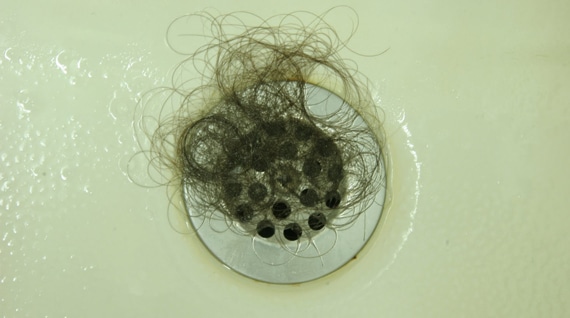
- Dental floss
- Kitty litter
- Tampons
- Condoms
- Disinfectants
- Paints
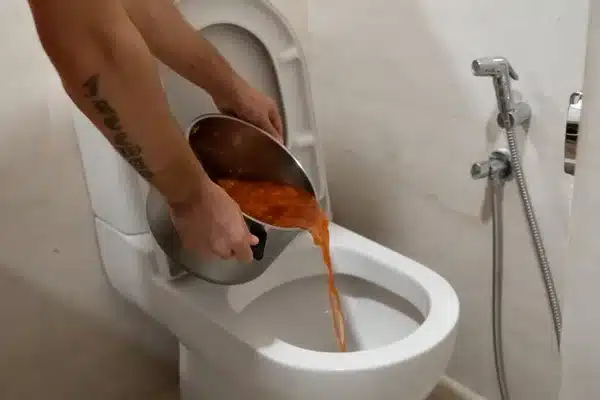
- Food Waste
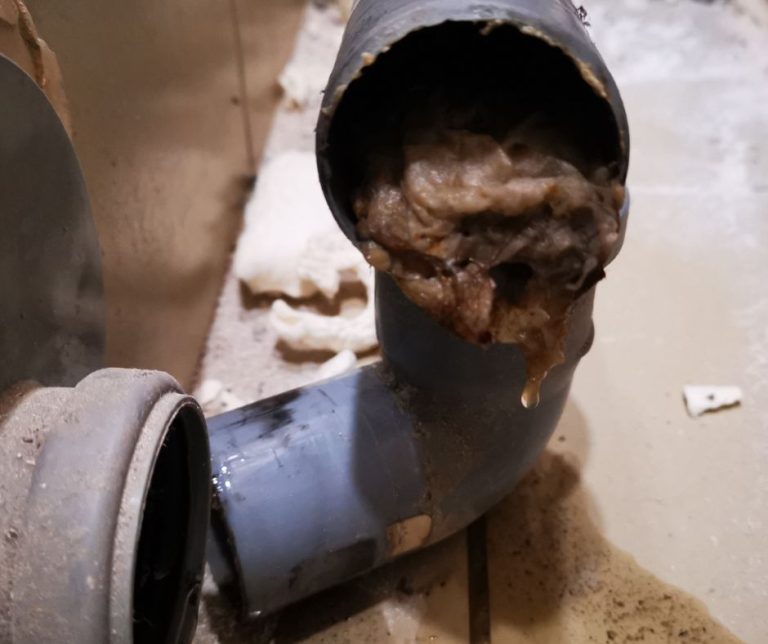
- Thinners
- Grease & oils
- Varnishes
- Waste oil
- Poisons
- Paper towels
- Pesticides
Our Residential Septic Tank Pumping Service Area
The Map above shows Loomers Septic Tank Pumping Service Area.
If you live just outside, please call. We will try to help or refer you to a local company.