Storm Drain Systems
Human waste, pet waste and other contamination should NEVER go into a stormwater drain.
Whatever contaminants enter a stormwater system will eventually reach source water, which can poison fish, birds, and other wildlife and harm drinking water supplies.
Storm drains collect rainwater and runoff from streets and roofs, carrying it untreated to local waterways.
Stormwater systems can include catch basins, gutters, channels, pipes and tunnels. The most important thing to understand is that they do not transport water to a water treatment facility. Instead, the stormwater is directed directly to a water source, such as a creek, stream, river, lake, or pond, which is often part of a local drinking water system. This is why it is so important to treat stormwater sewer systems and sanitary sewer systems differently.
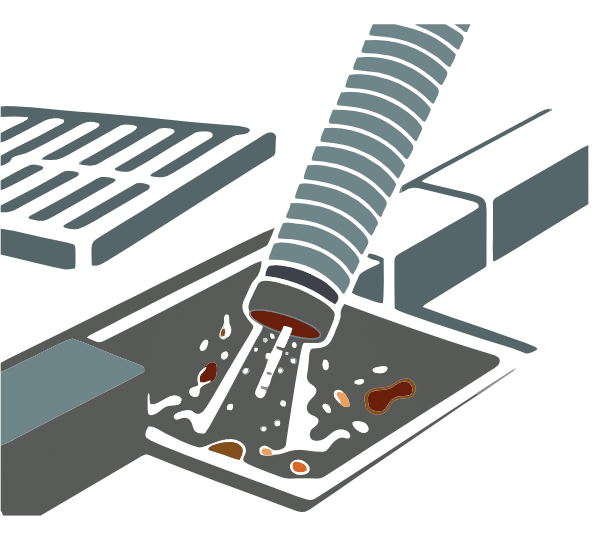
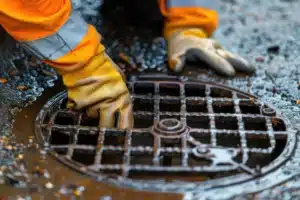
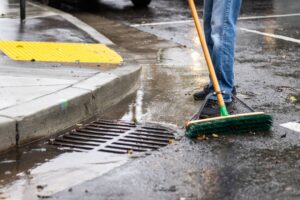
Storm drain cleaning is a critical maintenance process that removes accumulated sediment, leaves, debris, and trash from catch basins and pipes to prevent street flooding and water contamination.
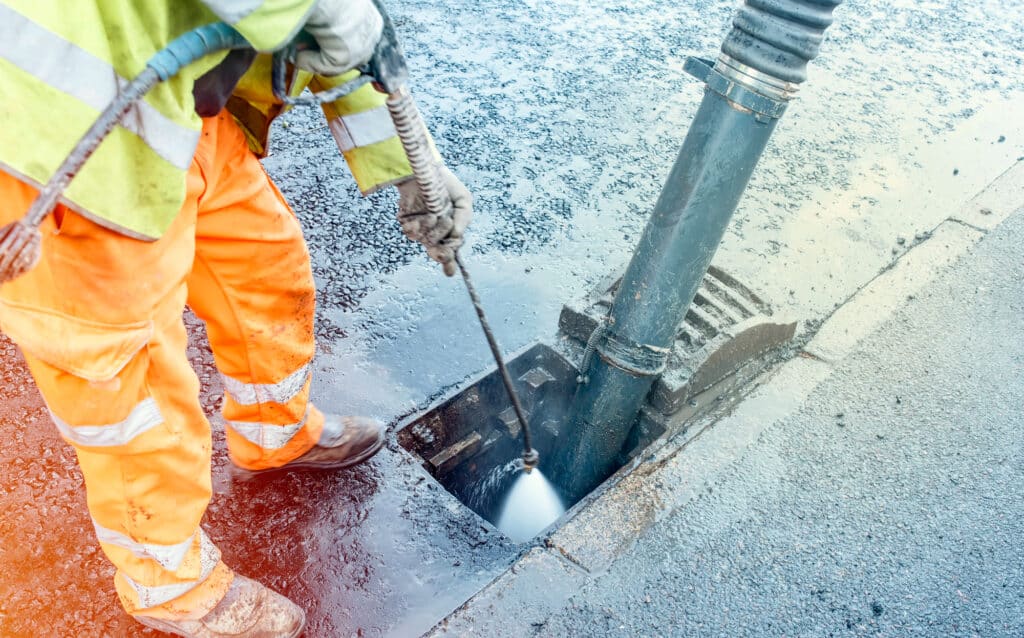
Cleaning can be done with a High-Pressure Jetting Rodding.
This method uses pressurized water to blast through debris, roots, and grease inside the drain pipes.
The primary function of storm sewer systems is to safely collect and transport stormwater—including rain, snowmelt, and hail—from impervious surfaces like roads, roofs, and parking lots directly into nearby bodies of water (rivers, lakes, streams) to prevent urban flooding.
Street Sweeping and Storm Drain Clearing.
Call now for a Consultation
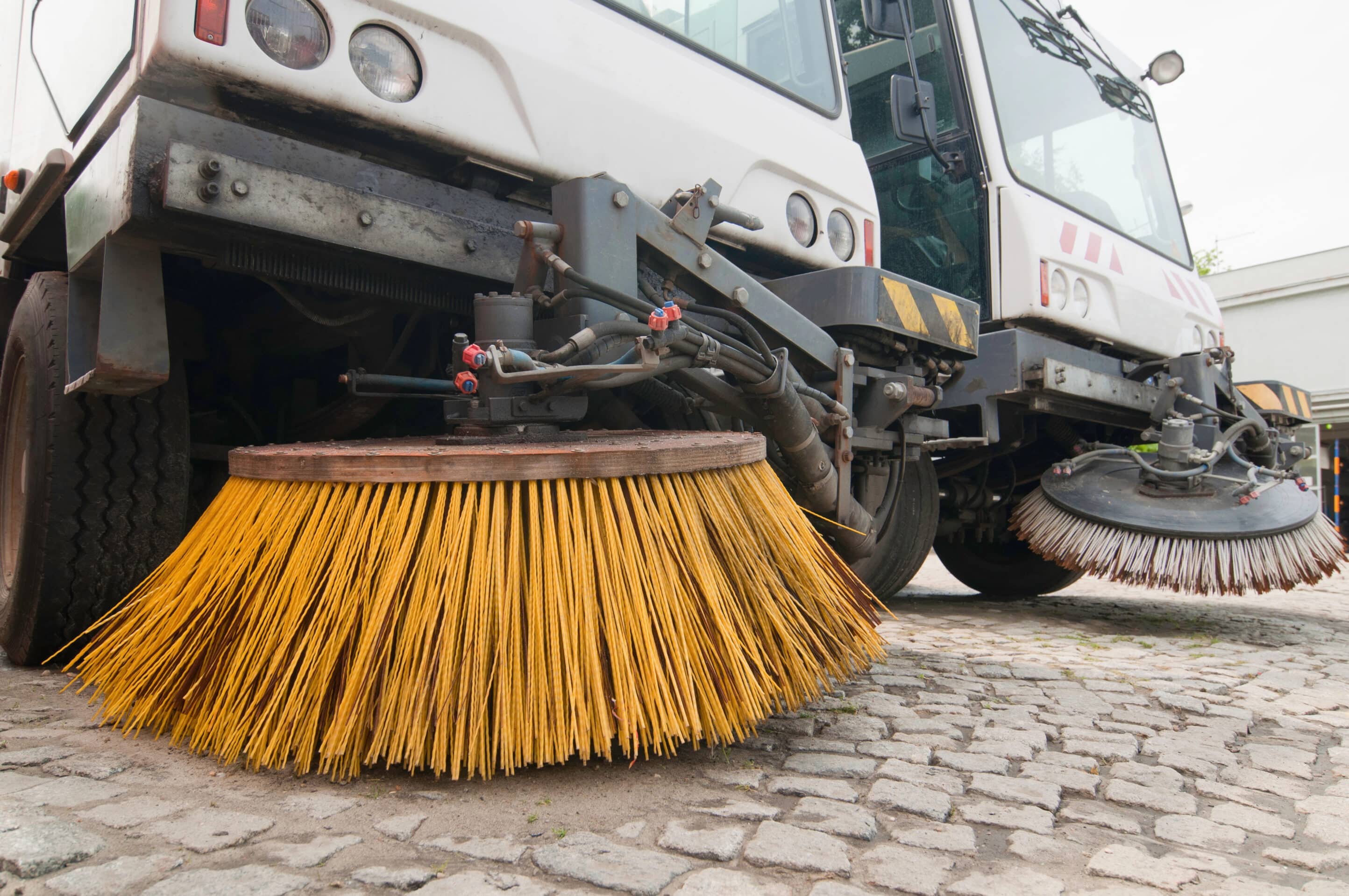
Street sweeping and storm drain clearing are essential for managing stormwater runoff and preventing flooding. Regular sweeping captures debris and pollutants onsite, while storm drain cleaning ensures water flows freely and prevents clogs.
Both practices contribute to a safer and healthier environment, protecting public health and preserving natural habitats.
Preventive maintenance programs
Professional Storm Drain cleaning and maintenance services to prevent blockages and ensure proper drainage flow.
- High-pressure water jetting
- Root removal and cutting
- Video camera inspection
- Grease and debris removal
- Preventive maintenance programs
Storm Drain Cleaning
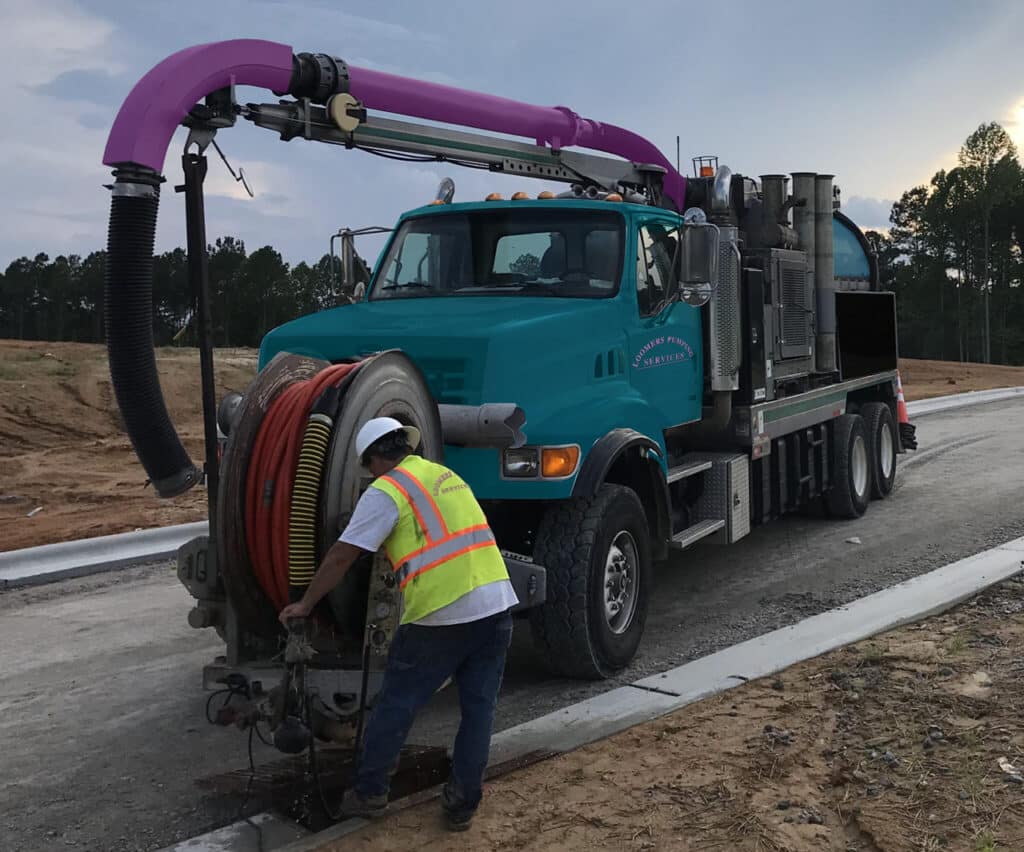
Professional services use vacuum trucks to suck up sludge, sediment, and water from the catch basin, which is often the most effective method.
Storm drain and catch basin cleaning to prevent flooding and ensure proper stormwater drainage.
-
Catch basin cleaning
-
Storm drain maintenance
-
Debris and sediment removal
-
Flood prevention
Jet Rodding
Jet Rodding: This is the most common and effective method, using high-pressure water (often from a jetter/vacuum truck) to blast through debris, grease, scale, and tree roots.
The powerful water stream not only breaks up clogs but also cleans the pipe walls thoroughly. For most applications, a combination unit vacuums up the loosened debris simultaneously, allowing for proper disposal.